What Are the Most Common Lawn Care Mistakes Homeowners Make?
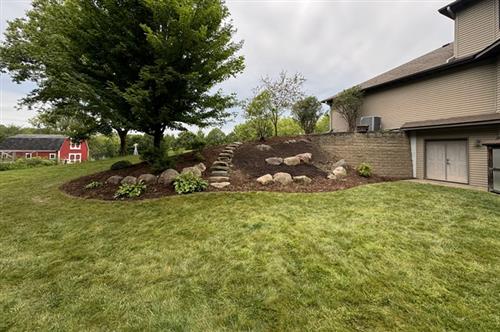
Many homeowners put time and effort into maintaining a healthy yard, yet some of the most common lawn care habits can quietly weaken grass over time. A lawn may appear healthy on the surface while underlying issues such as poor mowing practices, over-fertilization, compacted soil, and drainage problems slowly reduce root strength and create the perfect conditions for weeds, thinning turf, and discoloration. Understanding the causes behind these problems helps homeowners make better decisions that support stronger growth and more consistent lawn performance throughout the year.
At A-1 Curb Appeal, lawn health is viewed as a long-term process rather than a quick seasonal fix. Many common lawn problems begin with routine maintenance mistakes that seem harmless at first, such as mowing too short during hot weather or applying fertilizer too aggressively in an attempt to speed up growth. This article explores why improper mowing height damages turf, how excess fertilizer affects root systems, what causes yellow or bare spots in grass, why drainage problems encourage weed growth, and how proper lawn care practices help maintain healthier outdoor spaces.
Why Improper Mowing Height Can Damage Lawn Health
Mowing height has a direct impact on turfgrass health because grass blades play a critical role in photosynthesis and moisture retention. Cutting grass too short removes a large percentage of the leaf surface responsible for producing energy for the plant. When homeowners repeatedly scalp their lawns, the grass shifts energy away from root development in order to recover blade growth. This weakens the overall turf structure and makes lawns more vulnerable to drought stress, disease, and thinning.
Grass that is maintained at the wrong height also struggles to regulate soil temperature and moisture. Taller grass blades provide shade that protects the soil surface from excessive heat and evaporation. When lawns are cut too low, sunlight reaches the soil directly, causing moisture to evaporate faster during warm weather. This often leads homeowners to overwater their lawns, which can create additional stress and encourage fungal growth. Kentucky bluegrass and other cool-season grasses commonly found in Minnesota perform better when maintained at a height that supports deeper root systems.
Improper mowing practices can also increase weed pressure. Thin, weakened turf creates openings where crabgrass and broadleaf weeds can establish themselves more easily. Lawns with consistent mowing schedules and proper blade height develop denser growth patterns that naturally reduce weed competition. Maintaining healthy mowing habits is one of the foundational parts of effective lawn care because it strengthens turf density while supporting long-term root health and moisture balance.
How Over-Fertilization Damages Grass and Soil Structure
Fertilizer provides nutrients that support turf growth, but applying too much can create serious lawn health problems. Excess nitrogen forces rapid blade growth that the root system cannot adequately support. Grass may initially appear greener after heavy fertilizer applications, but the accelerated growth often weakens roots and increases stress during periods of heat or drought. Turf that grows too aggressively also requires more mowing and becomes more susceptible to fungal diseases.
Over-fertilization frequently causes chemical burn damage. High salt concentrations in fertilizer products pull moisture away from grass roots through osmotic stress, causing yellowing, browning, and dead patches throughout the lawn. These symptoms are especially common when fertilizer is applied during hot weather or when granules are not watered into the soil properly. Repeated over-application can also alter soil chemistry and reduce microbial activity that supports healthy nutrient cycling.
Another overlooked consequence of excessive fertilizer use is nutrient runoff. When lawns cannot absorb the nutrients being applied, rainfall and irrigation can carry nitrogen and phosphorus into nearby storm drains, ponds, and waterways. This contributes to algae growth and water quality issues. Sustainable lawn management focuses on balanced nutrient application schedules that match the specific needs of the turf and soil conditions rather than applying fertilizer excessively in hopes of faster results.
What Causes Bare or Yellow Spots in Grass
Yellow or bare patches in a lawn can develop from several different environmental and maintenance-related causes. Soil compaction is one of the most common contributors because compacted soil restricts oxygen movement, water infiltration, and root expansion. Areas exposed to heavy foot traffic, pets, or repeated equipment use often become compacted over time, limiting the ability of grass roots to absorb nutrients effectively.
Improper irrigation practices also contribute heavily to turf discoloration. Overwatering saturates the root zone and deprives roots of oxygen, while underwatering causes drought stress and dormancy. Uneven irrigation coverage can create inconsistent growth patterns where some sections of turf remain healthy while others turn yellow or thin out. In many cases, homeowners water too frequently but not deeply enough, which encourages shallow root systems that struggle during warmer temperatures.
Fungal diseases, insect activity, pet urine, and nutrient deficiencies may also create localized lawn damage. Certain fungal pathogens thrive in lawns with excessive moisture and poor airflow, producing circular dead patches or widespread discoloration. Grubs and surface-feeding insects damage root systems beneath the turf, while concentrated nitrogen from pet urine burns grass tissue and leaves yellow edges around dead spots. Diagnosing the specific cause of turf damage is important because each condition requires a different corrective approach.
How Poor Drainage Encourages Weed Growth in Lawns
Poor drainage creates environmental conditions that weaken healthy turf and allow invasive weeds to spread more aggressively. When water remains trapped near the soil surface after rainfall or irrigation, grass roots become deprived of oxygen. Saturated soil conditions slow root development and increase the risk of fungal diseases, thinning the turf canopy and creating open spaces where weeds can establish themselves.
Many common lawn weeds tolerate wet, compacted soil more effectively than healthy turfgrass species. Weeds such as nutsedge, creeping bentgrass, and certain broadleaf weeds thrive in areas with standing water or excessive moisture retention. Once established, these weeds compete aggressively for nutrients, sunlight, and root space, making it harder for grass to recover naturally. Drainage issues often become worse over time because weakened turf loses its ability to absorb and regulate water effectively.
Drainage problems can originate from grading issues, compacted subsoil, heavy clay content, or poorly designed irrigation systems. Low areas in the lawn may continuously collect runoff, while compacted soil prevents water from penetrating deeply into the ground. Improving drainage often requires a combination of aeration, grading correction, soil amendments, and consistent maintenance practices that restore proper water movement throughout the property.
How Professional Lawn Maintenance Helps Correct Common Lawn Problems
Professional lawn maintenance programs address multiple lawn health factors simultaneously rather than focusing on a single visible symptom. A comprehensive maintenance approach evaluates mowing schedules, irrigation practices, nutrient balance, soil condition, and drainage performance together. This allows underlying causes of turf decline to be identified before problems become widespread and expensive to repair.
Routine maintenance services often include seasonal fertilization planning, aeration, overseeding, weed management, mowing adjustments, and soil monitoring. Aeration helps relieve compaction and improves oxygen movement into the root zone, while overseeding thickens thinning turf areas and strengthens resistance against weed growth. Proper mowing schedules also help maintain consistent blade height throughout changing seasonal conditions. A-1 Curb Appeal in Farmington, MN focuses on maintaining healthier lawns through customized maintenance strategies that support long-term turf performance rather than short-term cosmetic improvements.
Professional maintenance also helps homeowners avoid many of the common mistakes that lead to recurring lawn problems. Consistent evaluations make it easier to identify early signs of nutrient imbalance, irrigation inefficiency, disease activity, or drainage concerns before they severely damage the lawn. Homeowners searching for experienced guidance and property maintenance solutions can learn more about available services by visiting A-1 Curb Appeal for additional information about lawn maintenance and landscape care programs.
Professional Lawn Care Solutions From A-1 Curb Appeal
At A-1 Curb Appeal, we help homeowners address the underlying causes behind unhealthy lawns instead of applying temporary surface-level fixes. Our team works with residential and commercial properties throughout the area to improve mowing consistency, nutrient management, drainage performance, and overall lawn condition through customized maintenance strategies designed around each property’s specific needs.
We understand how issues such as improper mowing height, over-fertilization, drainage problems, and thinning turf can quickly reduce curb appeal and weaken long-term lawn health. Our maintenance programs are designed to improve turf density, encourage healthier root development, reduce weed pressure, and support stronger seasonal performance across a variety of Minnesota lawn conditions.
A-1 Curb Appeal is located at 5025 208th Street West, Farmington, MN 55024. Homeowners can contact our team at 763-587-8929 to discuss lawn maintenance concerns, seasonal property care, and landscaping services. To learn more or request an estimate, please contact us through our website.