What Are the Latest Landscaping Design Trends for Residential Properties?
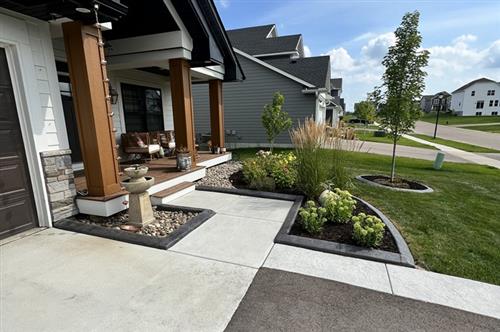
Residential landscaping design has shifted far beyond traditional lawns and basic garden beds. Homeowners across the Midwest are investing in outdoor environments that blend visual appeal, functionality, sustainability, and long-term durability. Modern landscape plans now focus on how outdoor spaces support daily living, improve property value, and adapt to changing weather conditions throughout the year. Clean lines, layered plantings, natural textures, and multi-purpose gathering spaces are becoming central elements in today’s residential landscape projects. Companies like A-1 Curb Appeal continue to see growing interest in outdoor layouts that feel connected to the architecture of the home while remaining practical for Midwest climates.
Many of the latest trends in residential landscaping design are driven by a combination of environmental awareness and lifestyle changes. Homeowners are looking for outdoor areas that can accommodate entertaining, relaxation, cooking, lighting automation, drainage management, and low-maintenance planting strategies. Interest in sustainable materials, native plant selections, permeable hardscapes, and smart irrigation systems has also increased as property owners seek landscapes that remain efficient and visually balanced over time. Modern landscaping design now incorporates outdoor living spaces, lighting integration, natural stone features, and environmentally responsible planning to create cohesive residential environments that function throughout multiple seasons.
Modern Midwest Landscape Styles Shaping Residential Properties
Modern landscape styles throughout the Midwest often reflect a balance between structure, climate adaptability, and natural aesthetics. Contemporary Midwest designs frequently combine clean geometric hardscapes with layered native plantings that provide texture throughout changing seasons. Homeowners are moving away from overly formal landscaping layouts and instead choosing designs that feel integrated with the surrounding environment. Prairie-inspired landscapes remain popular because they utilize grasses, pollinator-friendly perennials, and hardy plant species that can tolerate fluctuating temperatures, heavy rainfall, drought conditions, and freezing winters.
Minimalist landscape architecture has also become increasingly common in residential properties across Minnesota and surrounding Midwest regions. These designs typically feature large-format pavers, retaining walls with smooth finishes, muted color palettes, ornamental grasses, structured shrubs, and outdoor gathering areas that emphasize functionality without excessive ornamentation. Natural transitions between patios, walkways, and planting beds create a more cohesive outdoor environment while reducing maintenance demands. Many homeowners now prioritize visual simplicity combined with durable materials that maintain appearance during harsh seasonal conditions.
Another major trend involves blending modern outdoor architecture with ecological landscaping strategies. Rain gardens, permeable pavers, dry creek beds, and native planting zones are often integrated into the overall layout instead of treated as separate environmental features. In Farmington, Minnesota, A-1 Curb Appeal has worked on landscape projects that combine retaining walls, natural stone elements, drainage planning, and outdoor living spaces into unified property designs that improve curb appeal while addressing Midwest climate challenges. These projects increasingly reflect broader trends in landscaping design that prioritize long-term performance alongside aesthetics.
How Outdoor Living Spaces Are Transforming Residential Home Design
Outdoor living spaces have evolved from simple backyard patios into fully integrated extensions of the home. Residential property owners increasingly view outdoor environments as functional living areas capable of supporting dining, entertainment, cooking, relaxation, and year-round use. Covered patios, pergolas, fire features, outdoor kitchens, and lounge areas are now commonly incorporated into landscape plans during both new construction and renovation projects. The shift reflects broader changes in how homeowners use residential space following increased interest in at-home recreation and multi-functional property design.
Modern outdoor living spaces are also being designed with greater attention to circulation, comfort, and usability. Designers now account for traffic flow between indoor and outdoor spaces, seating arrangements, privacy screening, lighting layers, and material durability. Large patios built with concrete pavers or natural stone are often segmented into activity zones, allowing homeowners to accommodate multiple uses simultaneously. Integrated seating walls, built-in fire pits, and outdoor dining areas create structured gathering spaces that maintain visual continuity with the home’s architectural style.
Another important development involves the use of technology and infrastructure within outdoor environments. Audio systems, weather-resistant televisions, smart lighting controls, heating elements, and automated irrigation systems are becoming increasingly common within residential outdoor designs. Drainage management and grading are also receiving more attention to protect hardscape investments and maintain usability during periods of heavy rainfall. These changes reflect how outdoor living spaces are now treated as permanent residential features rather than seasonal additions.
Sustainable Landscaping Practices Driving Modern Residential Trends
Sustainable landscaping has become one of the strongest influences shaping residential landscape design across the United States. Homeowners are increasingly selecting landscaping strategies that reduce water consumption, support local ecosystems, minimize erosion, and lower long-term maintenance requirements. Native plant installations remain among the most widely adopted sustainable practices because they are naturally adapted to local climate conditions and require less irrigation, fertilizer, and chemical treatment than non-native species.
Permeable hardscape systems have also become a major trend in sustainable residential landscaping. Permeable pavers, gravel pathways, and drainage-integrated patios help reduce stormwater runoff while allowing groundwater recharge. These systems are especially valuable in Midwest regions where freeze-thaw cycles and heavy precipitation can create drainage issues around foundations and hardscapes. Rain gardens and bioswales are often incorporated into landscape layouts to manage runoff while adding visual texture and seasonal interest to the property.
Many homeowners are also prioritizing long-term environmental performance when selecting materials and plant layouts. Reduced turf areas, drought-tolerant plantings, compost-enriched soil preparation, and low-maintenance perennial gardens are replacing traditional high-maintenance lawns. Sustainable landscaping practices now frequently overlap with modern aesthetic preferences, allowing residential landscapes to achieve both ecological value and visual sophistication without sacrificing functionality or curb appeal.
How Lighting and Irrigation Systems Are Integrated Into Landscape Design
Landscape lighting and irrigation systems are now integrated into residential design plans much earlier in the project development process. Rather than being treated as separate afterthoughts, these systems are coordinated with hardscape layouts, planting plans, drainage systems, and outdoor living areas to improve both functionality and visual consistency. Low-voltage LED lighting systems are especially popular because they provide energy efficiency, longer lifespan, and flexible design applications across pathways, retaining walls, patios, steps, and architectural focal points.
Layered lighting strategies have become increasingly common in modern residential landscapes. Designers frequently combine pathway lighting, uplighting, accent lighting, and ambient patio illumination to create depth, improve nighttime visibility, and extend outdoor usability after sunset. Smart lighting systems that operate through timers, mobile applications, and automation platforms allow homeowners to control brightness schedules and energy consumption more efficiently. Proper lighting placement also improves safety by illuminating elevation changes, walkways, and gathering areas.
Modern irrigation systems have advanced significantly as water efficiency becomes a larger priority in residential landscaping. Smart irrigation controllers now adjust watering schedules based on rainfall, temperature, soil moisture, and seasonal conditions. Drip irrigation systems are commonly used within planting beds because they deliver water directly to root zones while minimizing evaporation and runoff. Integrated irrigation planning also helps preserve hardscape integrity by preventing oversaturation near retaining walls, patios, and walkways. These systems contribute to healthier landscapes while reducing unnecessary water use and long-term maintenance concerns.
The Growing Use of Natural Materials in Residential Landscape Design
Natural materials play a major role in current residential landscaping trends because they provide durability, texture, and visual continuity with surrounding environments. Natural stone, boulders, timber accents, and organic planting materials help soften modern hardscape layouts while creating a more balanced outdoor aesthetic. Many homeowners prefer materials that age naturally over time and complement the regional character of Midwest landscapes rather than highly manufactured appearances.
Natural stone remains one of the most sought-after materials for patios, retaining walls, fire features, and walkways. Its durability and visual variation allow landscapes to maintain a timeless appearance while withstanding freeze-thaw cycles common throughout the Midwest. Weathered limestone, granite, fieldstone, and natural flagstone are often selected because they blend effectively with native plantings and residential architecture. Wood accents, including cedar pergolas and timber retaining elements, are also commonly incorporated to introduce warmth and contrast within outdoor spaces.
Modern residential designs increasingly combine natural materials with structured layouts to create outdoor spaces that feel refined without appearing artificial. Organic textures are often paired with minimalist planting palettes and contemporary hardscape geometry to produce balanced compositions that remain visually adaptable over time. Homeowners researching residential landscaping trends frequently seek guidance from experienced companies like A-1 Curb Appeal when planning projects that integrate natural materials alongside functional outdoor living features.
At A-1 Curb Appeal, we help homeowners create outdoor environments that reflect the latest residential landscaping trends while remaining practical for Midwest weather conditions. Our team works closely with property owners to design outdoor living spaces, retaining walls, patios, drainage systems, lighting plans, and sustainable landscape solutions that improve both curb appeal and long-term functionality. We understand how modern landscaping styles continue to evolve, and we build projects that combine durability, aesthetics, and efficient design planning.
Whether you are exploring modern Midwest landscape styles, upgrading outdoor entertainment areas, improving irrigation efficiency, or incorporating natural stone and sustainable materials into your property, our team can help guide the planning and construction process. We focus on cohesive residential designs that integrate hardscapes, planting layouts, grading, lighting, and outdoor structures into a complete landscape environment built for long-term performance.
A-1 Curb Appeal proudly serves homeowners from our location at 5025 208th Street West, Farmington, MN 55024. To learn more about our landscaping services or discuss your residential project goals, call us at 763-587-8929 or contact us today.