How to Prepare Your Landscape for Minnesota’s Seasonal Changes
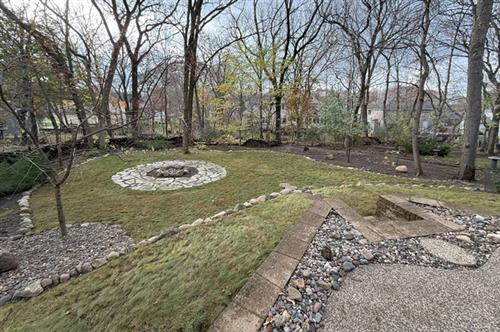
Minnesota’s four distinct seasons bring dramatic shifts in temperature, moisture, and soil conditions—each presenting unique challenges for homeowners striving to maintain healthy, attractive landscapes.
Proper preparation ensures that lawns, trees, and hardscapes not only survive harsh winters but also thrive once spring returns. From aeration and cleanup to irrigation management and tree care, a well-planned seasonal maintenance routine helps safeguard both beauty and value year-round.
This guide outlines proven strategies for preparing landscapes for Minnesota’s seasonal changes. It explains how to protect lawns before winter snow, when to perform fall cleanup and aeration, which spring services rejuvenate lawns after thawing, how to adjust irrigation systems throughout the year, and why professional tree care is vital for storm readiness.
These insights help homeowners maintain strong, resilient yards through every climate transition.
Steps to Protect Lawns Before Winter Snow
As temperatures begin to drop, fall preparation plays a crucial role in protecting lawns from snow damage and disease. Homeowners should complete their final mowing when grass reaches about 2.5 inches in height—short enough to discourage mold growth under snow but long enough to preserve root strength.
Applying a late-season fertilizer rich in potassium and nitrogen strengthens turf before dormancy, promoting a faster spring recovery.
Leaf removal is equally important. Accumulated debris traps moisture and blocks sunlight, increasing the risk of fungal growth and root rot. Overseeding bare patches in early fall ensures new growth before the soil freezes, providing thicker coverage once spring arrives.
Bordering elements such as landscaping design and concrete curbing also prevent lawn edges from damage caused by snowplows or compacted ice.
Finally, clearing irrigation lines and shutting off outdoor water sources prevents freezing and pipe damage. These simple yet critical steps prepare the lawn to withstand the weight of snow and freezing temperatures while maintaining soil health through winter.
Timing for Fall Cleanup & Aeration
Fall cleanup should begin once most leaves have dropped but before the ground freezes—typically from mid-October to early November in Minnesota.
Raking or vacuuming leaves prevents suffocation of grass and encourages proper airflow. Removing dead annuals and trimming perennials to 2–3 inches reduces pest habitats and supports regrowth the following year.
This cleanup also prepares the soil for aeration, an essential process for relieving compaction and improving nutrient absorption.
Aeration is best performed before the first frost when the soil remains moist but not waterlogged. By removing small plugs of earth, aeration improves oxygen flow and root development, strengthening grass against winter stress.
Pairing aeration with overseeding ensures new growth fills thin spots, enhancing turf density and resistance to weeds.
These combined practices create a resilient foundation for winter survival. By entering the cold season with clean, well-aerated soil, homeowners set the stage for a faster, healthier green-up in spring.
Spring Services That Restore Lawns After Thawing
Once the snow melts and soil thaws, spring lawn care is essential to repair damage caused by freezing and compaction. The first step is raking away residual debris and dead grass, which improves air circulation and prevents mold growth.
Early fertilization replenishes depleted nutrients, stimulating new root and shoot development. Spot seeding fills bare areas created by frost or salt exposure, ensuring even coverage.
Professional dethatching may be necessary if the thatch layer exceeds half an inch, as thick buildup prevents moisture penetration. Power raking or light aeration can rejuvenate soil structure and promote healthy regrowth.
Mulching garden beds and re-edging borders restores definition and prepares planting areas for the new season.
Minnesota homeowners often combine these spring services with mulch installation and concrete curbing touch-ups to refresh their landscape’s appearance.
This integrated approach ensures that lawns recover quickly from winter dormancy and maintain vibrant growth throughout the year.
Transitioning Irrigation Systems Seasonally
Proper irrigation management protects lawns and garden systems from weather-related damage. In fall, irrigation lines must be blown out using compressed air to remove residual water that could freeze and crack pipes.
Valves should be shut off, and above-ground components insulated to prevent exposure to subzero temperatures. Ignoring these steps can lead to costly repairs once spring arrives.
When restarting irrigation in spring, systems should be inspected for leaks, blockages, and pressure balance before resuming full operation. Reprogramming timers to match seasonal rainfall patterns prevents overwatering and promotes efficient use of resources.
During summer, adjusting watering schedules to early mornings reduces evaporation and improves soil absorption.
Smart irrigation systems offer automation that adapts to real-time weather data, saving both time and water. Seasonal transitions become effortless when combined with professional setup and maintenance, ensuring consistent hydration without waste.
The Role of Tree Services in Storm Preparation
Tree maintenance is a critical aspect of preparing landscapes for Minnesota’s unpredictable storms. Heavy snow, ice, and high winds can cause branches to snap or entire trees to fall, posing risks to homes and power lines.
Regular pruning removes dead or weak branches before winter, reducing the likelihood of storm damage. Structural pruning also helps young trees grow with balanced form, improving stability against high winds.
Fall and early spring are the ideal seasons for professional tree inspections. Arborists can identify disease, decay, or root instability that may not be visible to homeowners. Removing compromised limbs and ensuring proper spacing prevents trees from competing for nutrients and sunlight.
Well-maintained trees not only protect property but also improve landscape health and safety.
A-1 Curb Appeal integrates seasonal tree care into comprehensive landscape planning, helping homeowners maintain resilient, balanced environments throughout Minnesota’s harshest conditions.
How A-1 Curb Appeal Supports Year-Round Landscape Care
A-1 Curb Appeal provides expert landscaping services designed for Minnesota’s dynamic seasons. From fall aeration and winter preparation to spring restoration, our team delivers precise care that keeps properties in peak condition.
Services include landscape design, concrete curbing, mulch installation, and maintenance programs tailored for local weather conditions.
Our experience with regional climate cycles allows us to create landscapes that remain healthy, functional, and visually appealing through every temperature change. With durable materials, professional craftsmanship, and reliable maintenance, A-1 Curb Appeal ensures long-term protection and value for every property.
To prepare your landscape for the changing seasons, call 763-587-8929 or contact us today. Let A-1 Curb Appeal help you safeguard your investment and enjoy a beautiful, low-maintenance yard all year long.