How Long Does Concrete Curbing Last in Minnesota’s Climate?
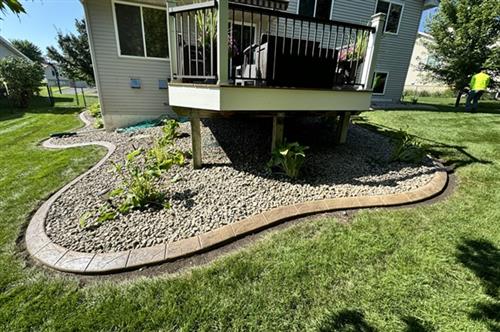
Minnesota’s climate places unique demands on outdoor landscaping materials. Long winters, repeated freeze-thaw cycles, snow removal equipment, road salt exposure, and shifting soil conditions all affect how long exterior hardscape features will last. For homeowners investing in landscape edging, understanding the lifespan of concrete curbing is important because durability directly impacts long-term maintenance costs, appearance, and property value. Professionally installed concrete curbing is widely used throughout Minnesota because it creates a continuous border that resists movement, defines landscape beds, and maintains a clean appearance through changing seasons.
A-1 Curb Appeal has worked with Minnesota homeowners who want landscape edging that performs reliably despite harsh seasonal weather. The lifespan of concrete curbing depends on several factors including installation quality, drainage conditions, soil movement, reinforcement methods, maintenance practices, and protective sealing. The sections below examine the primary conditions that influence longevity, how freeze-thaw cycles affect edging materials, what maintenance practices improve durability, whether sealing extends service life, and how concrete compares to plastic and metal edging over time.
Factors That Affect the Lifespan of Concrete Curbing in Cold Climates
Concrete curbing installed in cold-weather regions like Minnesota is exposed to environmental stress throughout the year. One of the most important factors affecting lifespan is moisture exposure. When water penetrates concrete and temperatures drop below freezing, the expansion of freezing water creates internal pressure within the material. Over time, repeated cycles can lead to cracking, surface scaling, or gradual deterioration. Proper concrete mixtures, reinforcement methods, and installation techniques help reduce this risk and improve long-term durability.
Drainage conditions also play a major role in how long landscape edging lasts. Soil that remains saturated for extended periods creates additional pressure against the concrete while increasing freeze-thaw stress during winter. Areas with poor grading or standing water often experience accelerated wear because excess moisture continually enters the concrete surface and surrounding soil. Professionally installed curbing is typically designed with attention to grading and water runoff to reduce long-term moisture exposure.
Soil movement is another major factor in Minnesota landscapes. Seasonal frost heaving causes soil to expand and contract as temperatures fluctuate. This movement can place stress on rigid edging materials, especially if the installation lacks a stable base or reinforcement. Continuous poured edging generally performs better than segmented materials because there are fewer joints that can separate during soil movement. Many homeowners choose concrete curbing because it creates a more stable border that resists shifting and displacement over time.
Snow removal practices can also influence lifespan. Metal shovels, snowplows, and snow blowers may chip or abrade exposed edges if the curbing sits near driveways or sidewalks. Salt and deicing chemicals further contribute to surface wear because they increase moisture penetration and chemical stress on the concrete. High-quality installation methods and properly cured concrete help reduce the impact of winter maintenance activities.
How Freeze-Thaw Cycles Affect Landscape Edging Durability
Freeze-thaw cycles are one of the most significant durability concerns for outdoor concrete in Minnesota. During the winter season, temperatures frequently move above and below freezing within short periods of time. When water enters pores within concrete and freezes, it expands by roughly nine percent. This expansion creates pressure inside the concrete structure, and repeated cycles gradually weaken the material. Over time, the process may lead to cracking, flaking, or surface deterioration if the concrete was not properly mixed or cured.
Landscape edging materials experience freeze-thaw stress differently depending on their composition and installation method. Concrete edging that is reinforced and properly installed generally withstands these conditions better than lightweight plastic systems that may become brittle in cold temperatures. Metal edging can also be affected by frost movement because soil expansion may gradually push sections upward or out of alignment. Continuous concrete borders reduce separation points where water infiltration and movement commonly occur.
Air entrainment is an important component in concrete durability for cold climates. Air-entrained concrete contains microscopic air pockets that allow freezing moisture to expand without placing excessive stress on the surrounding material. This design improves resistance to freeze-thaw damage and is commonly used in outdoor installations throughout northern states. Installation practices also matter because improperly compacted bases or weak subgrade preparation increase the likelihood of movement and cracking during seasonal freeze cycles.
Drainage management remains closely tied to freeze-thaw performance. Water accumulation near edging significantly increases the amount of moisture available to freeze. Landscapes with poor runoff often show faster deterioration regardless of edging type. In Minnesota, edging systems that maintain structural consistency and resist shifting typically perform better over long periods because they are less vulnerable to gaps, water intrusion, and frost displacement.
Maintenance Practices That Extend the Life of Concrete Curbing
Routine maintenance can significantly extend the service life of landscape curbing in cold-weather environments. One of the most effective maintenance practices is keeping the edging clean and free of debris that traps moisture against the concrete surface. Organic buildup such as leaves, mulch accumulation, and wet soil can hold moisture for extended periods, increasing freeze-thaw stress during winter. Periodic cleaning allows the surface to dry more effectively and helps homeowners identify small issues before they become larger structural problems.
Controlling nearby vegetation is also important for long-term durability. Tree roots and aggressive plant growth may place pressure on edging systems over time, especially in areas where root expansion occurs beneath the concrete. Maintaining proper spacing between landscape installations and large root systems helps reduce structural stress. Homeowners should also monitor adjacent irrigation systems to prevent excessive water saturation around the curbing.
Minor cracks should be addressed early before moisture infiltration expands the damage. Small surface cracks may allow water penetration that becomes more severe during freeze-thaw cycles. Timely repair helps reduce the likelihood of larger structural failures developing later. In colder regions, preventative maintenance is often more cost-effective than waiting for widespread deterioration to occur.
Winter care practices can also affect lifespan. Using non-corrosive deicing products instead of harsh salts may reduce surface wear and chemical exposure. Snow removal equipment should be operated carefully around raised edging to minimize impact damage. Many professionally installed systems are designed to tolerate seasonal conditions, but proper maintenance habits still play an important role in preserving appearance and structural performance over time.
Does Sealing Concrete Curbing Improve Longevity?
Sealing concrete curbing can improve durability by limiting moisture penetration into the surface. In Minnesota climates where freeze-thaw cycles occur repeatedly throughout winter, reducing water absorption is one of the most effective ways to slow deterioration. Sealers create a protective barrier that helps prevent water, deicing chemicals, and contaminants from entering the concrete pores. This added protection may reduce surface scaling, staining, and freeze-related cracking over time.
The effectiveness of sealing depends on the type of sealer used and how well the concrete was prepared before application. Penetrating sealers are commonly used because they absorb into the concrete and provide protection without dramatically altering appearance. Film-forming sealers create a surface coating that may provide additional protection but can wear unevenly in areas exposed to heavy weather or foot traffic. Proper application intervals are important because sealers gradually wear down over time due to UV exposure and seasonal weather conditions.
Sealing does not eliminate all forms of concrete deterioration, but it can reduce the rate at which environmental damage develops. Concrete that remains saturated for long periods is generally more vulnerable to freeze-thaw damage than concrete that sheds moisture effectively. By reducing water intrusion, sealers help stabilize the material during seasonal temperature fluctuations. Landscapes exposed to road salt, snowmelt runoff, or heavy moisture often benefit the most from periodic resealing.
Homeowners considering long-term landscape investments often evaluate both structural durability and appearance retention. Sealed curbing tends to resist staining and discoloration more effectively than untreated surfaces. This helps preserve visual definition between lawn areas, flower beds, and hardscape features while also supporting overall material longevity in demanding weather conditions.
Concrete Curbing vs. Plastic and Metal Landscape Edging Over Time
Landscape edging materials perform differently over extended periods, especially in climates with severe seasonal changes. Concrete curbing is often selected for its long-term stability because it forms a continuous barrier that resists movement and separation. Plastic edging systems are lightweight and inexpensive, but they may become brittle after years of UV exposure and repeated freezing temperatures. Plastic sections can also shift or heave more easily when surrounding soil expands during winter.
Metal edging provides a thinner and more flexible profile than concrete, which can work well in certain landscape designs. However, metal systems may gradually bend, separate, or shift due to frost movement and root pressure. Corrosion resistance varies depending on the material used, with aluminum generally performing better than untreated steel. Even durable metal systems often require periodic adjustment because segmented installations can move independently over time.
Concrete edging generally offers greater structural permanence because it is installed as a continuous poured system. This reduces visible seams and helps maintain alignment despite seasonal ground movement. Many homeowners evaluating edging materials compare maintenance demands over long periods rather than initial installation cost alone. Professionally installed systems from A-1 Curb Appeal are designed to provide a defined landscape border that withstands Minnesota weather while maintaining a finished appearance through changing seasons.
Durability comparisons also depend on maintenance expectations and intended landscape use. Areas exposed to snow removal, foot traffic, irrigation, or heavy mulch retention place greater demands on edging systems. Concrete curbing typically requires less repositioning than sectional edging materials because it remains fixed in place after curing. Over many years, this structural consistency is one of the primary reasons homeowners choose concrete over plastic or metal alternatives for permanent landscape borders.
Professional Concrete Curbing Services in Minnesota
At A-1 Curb Appeal, we help homeowners create durable landscape borders designed for Minnesota’s demanding climate conditions. Our team understands how freeze-thaw cycles, drainage conditions, soil movement, and winter maintenance affect the lifespan of outdoor hardscaping materials. We install continuous concrete curbing systems that provide long-term structure, clean landscape definition, and improved durability compared to many traditional edging materials.
Whether you want to understand what affects curbing lifespan, improve durability through maintenance and sealing, or compare edging materials for your property, our team can help you evaluate the best solution for your landscape design. We work with homeowners throughout Minnesota who want landscape edging that combines appearance, structural stability, and long-term performance in harsh seasonal weather.
A-1 Curb Appeal
5025 208th Street West Farmington, MN 55024
763-587-8929
To learn more about custom landscape edging solutions or request an estimate for your property, please contact us.