How Does Snow Removal Impact Landscape Maintenance During Winter Months?
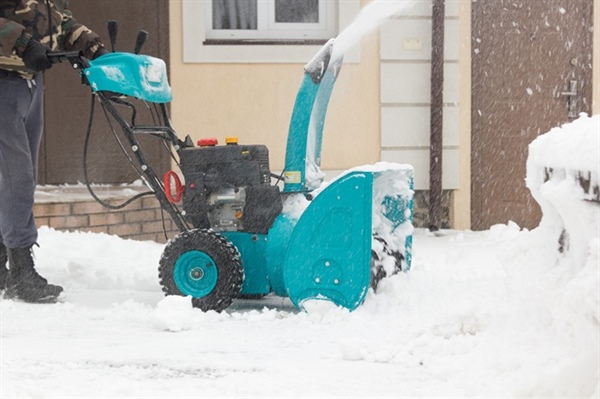
Winter landscapes can be both beautiful and challenging. While snow adds a picturesque element to outdoor spaces, excessive accumulation can damage lawns, plants, and hardscaping features. Snow removal is essential to maintaining a property’s landscape during the winter months, but improper techniques can lead to unintended damage. Effective snow management strategies help prevent issues like soil compaction, plant suffocation, and damage to hard surfaces. Understanding the impact of snow removal on landscape maintenance ensures that property owners protect their investment throughout the season.
In this article, we explore several key aspects of snow removal and its effect on landscape maintenance. We’ll discuss the risks that snow accumulation poses to lawns and plants, how proper snow removal prevents damage to hardscaping, the environmental impact of de-icing agents, and ways to tailor snow removal services to protect delicate landscape elements. We’ll also compare the advantages of professional snow removal services over DIY methods. Read on to learn how strategic snow management can safeguard your property.
What are the risks of snow accumulation on lawns and plants?
While snow provides an insulating effect for plant roots, excessive accumulation can cause damage. When heavy snow compacts over lawns, it can lead to soil compression, which reduces oxygen levels and inhibits root growth. Over time, this can weaken the grass and make it more susceptible to disease in the spring. Additionally, snow mold, a fungal disease, thrives under prolonged snow cover, leading to patches of dead grass once the snow melts.
For shrubs and small trees, snow buildup can cause branches to bend or break under the weight. Species with brittle limbs, such as arborvitae or boxwood, are particularly vulnerable. Snow piled too close to plants can also lead to salt damage if road or sidewalk treatments are used nearby. When plowing or shoveling, it’s important to avoid piling snow directly onto delicate plants or over garden beds.
Proactive snow removal and strategic placement of snow piles can minimize these risks. Clearing pathways and directing snow to designated areas reduces stress on plants and prevents compaction-related damage. To protect lawns, homeowners can also aerate in the fall to improve soil drainage and resilience before winter arrives.
How does snow removal prevent damage to hardscaping features?
Hardscaping elements, such as driveways, walkways, patios, and retaining walls, are vulnerable to damage from improper snow removal techniques. One of the primary risks is the repeated freeze-thaw cycle, which causes water to seep into small cracks and expand when it refreezes. This can lead to surface degradation, cracking, or heaving in concrete, stone, and brick materials.
Using metal shovels or snowplows with excessive force can scratch or chip decorative pavers and stamped concrete. Additionally, improper use of snow-melting chemicals can accelerate surface deterioration. De-icing agents containing calcium chloride or magnesium chloride are less harsh than traditional rock salt and are recommended for protecting hardscapes.
Property owners should use snow removal equipment designed for hard surfaces, such as rubber-bladed snowplows or plastic shovels, to reduce wear. Applying a sealant to pavers or concrete in the fall also helps protect against moisture infiltration and freeze-related damage. For properties with intricate hardscaping designs, hiring a professional snow removal service ensures careful handling and preservation of these features.
What are the environmental considerations of using de-icing agents?
De-icing agents play a crucial role in preventing ice buildup, but they can have environmental consequences if not used correctly. Traditional rock salt (sodium chloride) can alter soil composition, making it more difficult for plants to absorb water and nutrients. It also contributes to runoff pollution, affecting local waterways and harming aquatic ecosystems.
More environmentally friendly alternatives include calcium magnesium acetate (CMA) and potassium chloride, which have a lower impact on plant life and water quality. Sand and gravel can also be used as traction aids without introducing harmful chemicals. However, they must be cleared periodically to avoid clogging storm drains.
Property owners should apply de-icers strategically, using only the necessary amount to achieve ice control. Properly storing de-icing agents and avoiding direct application near plants and lawn edges can further reduce negative environmental effects. Choosing eco-friendly products helps protect both landscapes and local water sources during the winter season.
How can snow removal services be tailored to protect delicate landscape elements?
Landscaped properties often include delicate features such as flower beds, ornamental trees, and decorative rock formations that require special care during snow removal. Heavy plowing or aggressive shoveling can disrupt mulch beds, damage low-growing plants, or displace decorative elements.
Snow removal professionals can tailor their approach by using smaller, more precise equipment in areas with fragile landscaping. Hand-shoveling around sensitive zones and avoiding mechanical plows near flower beds or shrubs minimizes accidental damage. Additionally, placing protective barriers, such as burlap wraps or snow fencing, can shield plants from harsh winter winds and excessive snow accumulation.
Another strategy is to establish designated snow dumping zones that keep large piles away from landscaped areas. By planning for snow placement in advance, homeowners can maintain the integrity of their garden designs while ensuring effective winter maintenance.
What are the benefits of professional snow removal over DIY methods?
Many homeowners debate whether to handle snow removal themselves or hire professionals. While DIY snow removal may seem cost-effective, it requires time, effort, and the right equipment to be effective and safe. Improper techniques can lead to property damage or personal injury, particularly when dealing with heavy snowfall or icy conditions.
Professional snow removal services provide efficiency and reliability. Trained crews use specialized equipment to clear driveways and walkways quickly, reducing the risk of accidents. Additionally, professional services often include ice management, preventing hazardous conditions before they arise.
Another advantage is consistency. Snow removal companies operate on set schedules, ensuring timely service even during heavy storms. For homeowners who travel frequently or operate businesses, this reliability makes professional services a worthwhile investment. To learn more about expert winter maintenance, contact A-1 Curb Appeal for tailored snow management solutions. You can also call A-1 Curb Appeal at 763-587-8929 to talk with our experts.