How Does Professional Lawn Aeration Improve Grass Health?
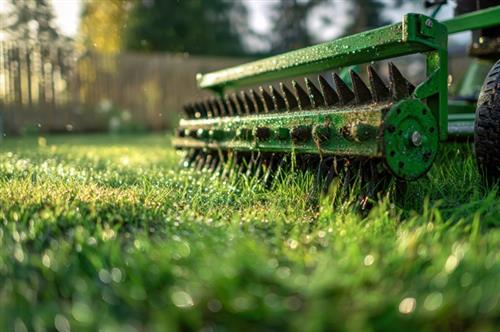
Healthy grass depends on much more than mowing and watering. Beneath the surface, soil structure, moisture movement, oxygen availability, and root development all influence whether a lawn grows thick and resilient or thin and stressed. One of the most effective ways to improve soil conditions is through professional lawn aeration, which removes compacted plugs of soil and creates space for air, water, and nutrients to move deeper into the ground. In Minnesota, where seasonal temperature swings, clay-heavy soils, foot traffic, and snow compaction can place stress on turfgrass, aeration often plays a major role in maintaining long-term lawn health.
A-1 Curb Appeal works with homeowners throughout Minnesota who want stronger root systems, healthier turf growth, and better drainage across their properties. Understanding how aeration affects soil structure can help homeowners make informed lawn care decisions throughout the year. The sections below explain how soil compaction affects root growth, when aeration is most effective in Minnesota, how aeration compares to dethatching, what results to expect after service, and whether aeration can improve uneven or waterlogged lawns.
How Soil Compaction Restricts Root Growth and Weakens Lawn Health
Soil compaction occurs when soil particles become pressed tightly together, reducing the amount of pore space available underground. These pore spaces are critical because they hold oxygen, water, and nutrients that grass roots depend on for survival. When the soil becomes compacted from repeated foot traffic, heavy equipment, snow accumulation, or dense clay composition, roots struggle to penetrate the ground deeply. Instead of growing downward into healthy soil, roots often remain shallow and weak, making turf more vulnerable to drought, heat stress, and disease.
Compacted soil also limits the exchange of oxygen within the root zone. Grass roots require oxygen for cellular respiration, nutrient uptake, and healthy biological activity. When oxygen levels drop, root growth slows significantly, microbial activity declines, and water movement through the soil becomes restricted. Minnesota lawns frequently experience compaction because freeze-thaw cycles and moisture-heavy clay soils naturally compress over time. Areas with high traffic, including pathways, play spaces, and pet activity zones, often show thinning grass because roots cannot expand properly beneath the surface.
Core aeration directly addresses this problem by removing small plugs of soil throughout the lawn. These openings reduce bulk density and create channels where oxygen, moisture, and nutrients can move deeper into the root zone. As soil loosens, roots gain the ability to spread further underground, creating stronger and more drought-resistant turf. Research from university turfgrass programs consistently shows that improved soil porosity supports healthier root depth, stronger nutrient absorption, and greater turf recovery during stressful weather conditions. Many Minnesota homeowners schedule regular lawn aeration because it helps restore the soil balance needed for sustained grass growth.
Best Time for Lawn Aeration in Minnesota for Strong Grass Recovery
Minnesota lawns respond best to aeration during active growing periods, when turfgrass can recover quickly and fill in open areas after the soil has been disturbed. For cool-season grasses commonly found throughout Minnesota, including Kentucky bluegrass and fescue blends, the ideal aeration windows are typically early fall and, in some cases, spring. Fall aeration is often preferred because cooler temperatures, increased rainfall, and reduced weed pressure create favorable conditions for root development.
Early fall aeration allows grass to focus energy on repairing roots and strengthening turf before winter dormancy begins. During this period, soil temperatures remain warm enough to encourage microbial activity and root expansion while cooler air temperatures reduce stress on the grass blades themselves. Many lawn care specialists recommend aerating between late August and early October depending on regional weather patterns. Aeration performed during severe summer heat can place unnecessary stress on turfgrass, while late-season aeration after soil temperatures drop may not provide enough recovery time before freezing conditions arrive.
Spring aeration can also benefit lawns affected by winter soil compaction or snow mold damage, though timing becomes more important because aggressive spring aeration may encourage weed germination if overseeding and fertilization are not managed properly. Homeowners in Farmington and surrounding Minnesota communities often evaluate drainage, compaction levels, and turf density before determining the best aeration schedule for their lawns. Seasonal lawn maintenance programs frequently combine aeration with overseeding and soil improvement practices to encourage thicker, healthier turf development throughout the growing season.
Understanding the Difference Between Lawn Aeration and Dethatching
Lawn aeration and dethatching are often discussed together because both improve turf health, but they solve very different problems within the lawn ecosystem. Aeration focuses on relieving soil compaction beneath the surface, while dethatching removes excessive organic debris that accumulates between the grass blades and soil. Thatch consists of dead grass stems, roots, and organic material that naturally build up over time. A thin thatch layer can help insulate the soil, but excessive thatch prevents water, oxygen, and nutrients from reaching the root zone efficiently.
Dethatching physically removes this dense organic layer using specialized equipment designed to pull material upward from the lawn surface. When thatch exceeds roughly half an inch in thickness, lawns may begin retaining excess moisture near the surface, increasing the risk of fungal disease, insect activity, and shallow root systems. Aeration, on the other hand, improves the physical structure of the soil itself. Rather than removing surface debris, aeration creates openings below ground that improve oxygen exchange and water infiltration throughout the root zone.
Many Minnesota lawns benefit from both services depending on soil conditions and turf health. Lawns with compacted clay soils may require aeration to improve drainage and root penetration, while heavily thatched lawns may need dethatching to reduce organic buildup. Turfgrass specialists often evaluate the lawn’s soil density, moisture retention, and thatch depth before recommending one service or a combination of both. A-1 Curb Appeal incorporates lawn health evaluations into seasonal maintenance planning so homeowners understand which treatments best support long-term turf performance.
What Homeowners Should Expect After Professional Lawn Aeration
Immediately after aeration, homeowners typically notice small soil plugs scattered across the lawn surface. These plugs are a normal and beneficial part of the process. Over the following one to three weeks, the plugs naturally break down and return nutrients and microorganisms back into the soil profile. During this recovery period, the lawn may initially appear rough or uneven, but this temporary appearance is part of the soil improvement process.
The most significant benefits usually develop below the surface before visible changes appear above ground. Aeration improves water infiltration, oxygen movement, microbial activity, and nutrient absorption within the root zone. As roots expand deeper into loosened soil, grass becomes more resilient against drought stress, heat, heavy rainfall, and seasonal disease pressure. Many homeowners begin noticing thicker turf growth, improved color consistency, and reduced standing water after several weeks of consistent watering and normal growing conditions.
Results can vary depending on existing soil conditions, turf health, irrigation practices, and whether overseeding or fertilization accompanies the aeration process. Severely compacted lawns may require repeated seasonal aeration before maximum improvement becomes visible. Research on cool-season turfgrass consistently demonstrates that repeated core aeration helps reduce soil density while improving root mass and turf recovery rates over time. Homeowners often combine aeration with overseeding to encourage new grass establishment in thin or damaged sections of the lawn.
Can Lawn Aeration Improve Uneven or Waterlogged Lawns?
Waterlogged lawns often develop when compacted soil prevents rainfall and irrigation water from draining properly through the ground. Instead of moving into the root zone, water pools near the surface, creating muddy conditions, weak grass growth, and increased fungal disease risk. Compacted clay soils commonly found in parts of Minnesota are especially prone to poor drainage because the dense soil structure restricts water infiltration. Aeration helps reduce this issue by opening pathways within the soil that allow moisture to move downward more efficiently.
Improved drainage after aeration can help reduce standing water, soften hard-packed areas, and support stronger root growth throughout the lawn. As oxygen levels increase below ground, beneficial microbial activity also improves, helping break down organic material and support healthier soil structure over time. Uneven lawns caused by mild soil settling or inconsistent turf growth may also appear more uniform after repeated aeration and overseeding treatments because healthier root systems promote denser turf coverage.
More severe grading problems, drainage failures, or large depressions may require additional corrective landscaping solutions beyond aeration alone. However, professional aeration remains one of the most effective first steps for improving surface drainage and reducing soil compaction issues in residential lawns. Homeowners looking for long-term turf improvement often work with A-1 Curb Appeal to evaluate soil conditions, drainage concerns, and seasonal maintenance needs across their properties.
Professional Lawn Aeration and Lawn Care Services From A-1 Curb Appeal
At A-1 Curb Appeal, we help homeowners improve lawn health through professional aeration, seasonal lawn maintenance, overseeding, and property care services designed for Minnesota conditions. Soil compaction, poor drainage, shallow roots, and uneven turf growth are common problems across residential properties, especially after long winters and periods of heavy lawn use. Our team evaluates soil conditions and lawn performance to recommend practical solutions that support stronger turf growth and healthier landscapes throughout the year.
We provide lawn care and landscaping services for homeowners who want healthier grass, improved drainage, better root development, and stronger seasonal recovery. Whether your lawn needs aeration, dethatching, overseeding, or broader landscape maintenance, our team focuses on long-term lawn performance using proven turf management practices suited to Minnesota’s climate. Our services are designed to improve curb appeal while helping homeowners protect the health and appearance of their outdoor spaces.
If you are experiencing compacted soil, standing water, thinning grass, or weak turf growth, contact A-1 Curb Appeal to learn more about our lawn care services. We proudly serve homeowners throughout the region from our location at 5025 208th Street West, Farmington, MN 55024. Call us at 763-587-8929 or contact us online to schedule a consultation and discuss the best lawn care approach for your property.