How can homeowners reduce water usage without sacrificing lawn health?
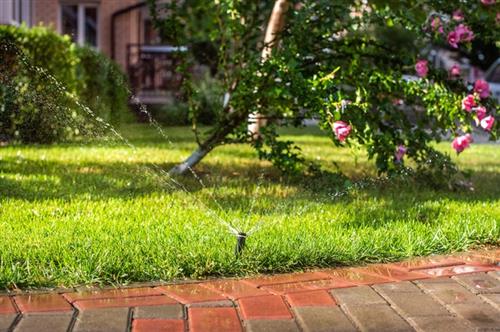
Maintaining a healthy lawn while cutting back on water use has become a growing priority for homeowners across Minnesota and beyond. Long summer dry spells, rising utility costs, and increasing pressure on municipal water systems have pushed many property owners to rethink how they care for their landscapes. The good news is that reducing water consumption does not mean settling for thin, brown, or unhealthy grass. With proper mowing practices, efficient watering systems, soil management, and drought-conscious lawn planning, homeowners can preserve strong turf growth while using significantly less water throughout the season.
A-1 Curb Appeal understands that lawn health depends on more than simply running sprinklers more often. Healthy root systems, proper irrigation timing, grass selection, and moisture retention strategies all work together to support sustainable lawn care. In this guide, we will explore the most efficient irrigation methods, how smart watering technology improves efficiency, which grass types naturally require less moisture, how mulching protects soil hydration, and the warning signs that indicate overwatering or drainage problems. Homeowners looking to improve long-term lawn performance can also learn more about modern irrigation practices that help reduce unnecessary water waste while protecting turf health.
Efficient Irrigation Methods That Reduce Water Waste and Support Lawn Health
The most efficient irrigation methods focus on delivering water directly to the root zone while minimizing evaporation, runoff, and overspray. Traditional watering practices often waste large amounts of water because they apply moisture unevenly or during the hottest parts of the day. Modern irrigation systems improve efficiency by controlling water distribution more precisely. Drip irrigation, rotary nozzles, low-angle sprinklers, and properly zoned sprinkler systems are among the most effective methods for reducing water consumption while maintaining healthy turf.
Rotary nozzle sprinkler systems have become especially valuable for residential lawns because they distribute water slowly and evenly. This slower application rate allows moisture to soak into the soil rather than running off compacted surfaces or sloped areas. In regions with clay-heavy soils, slower watering cycles help improve absorption and reduce pooling. Efficient irrigation systems also separate lawn zones from flower beds, shrubs, and shaded areas so that each section receives the appropriate amount of water instead of relying on one uniform schedule.
Watering timing also plays a major role in irrigation efficiency. Research from turfgrass management programs consistently shows that early morning watering reduces evaporation loss and lowers disease pressure compared to evening watering. Deep and infrequent watering encourages stronger root development, helping grass tolerate drought conditions more effectively. Homeowners interested in improving long-term water efficiency often benefit from updated irrigation strategies that focus on root health, soil absorption, and accurate water distribution rather than excessive watering frequency.
How Smart Irrigation Controllers Optimize Lawn Watering Schedules
Smart irrigation controllers use environmental data and soil conditions to adjust watering schedules automatically. Unlike traditional timers that operate on fixed schedules regardless of weather conditions, smart controllers respond to rainfall, temperature, humidity, seasonal changes, and evapotranspiration rates. This technology allows homeowners to maintain healthier lawns while significantly reducing unnecessary water use. Studies conducted by the EPA WaterSense program have shown that weather-based irrigation controllers can reduce outdoor water use by up to 15% or more when properly configured.
Weather-responsive controllers use either local weather station data or on-site sensors to determine when watering is necessary. If rainfall occurs overnight, the system can delay or skip the next scheduled cycle automatically. Soil moisture sensors add another layer of efficiency by measuring moisture levels beneath the surface rather than relying only on weather forecasts. This prevents overwatering, which often leads to shallow root growth, fungal disease development, and nutrient leaching.
Smart scheduling also improves lawn consistency because watering durations can be customized for sun exposure, soil type, slope conditions, and turf species. Areas with full afternoon sun may require different runtimes than shaded sections of the property. This precision helps homeowners avoid dry spots without overwatering the entire lawn. Advanced controllers also provide seasonal adjustment features that gradually reduce watering output during cooler months when turfgrass naturally requires less moisture.
Drought-Tolerant Grass Types That Require Less Water
Grass selection has a major impact on long-term lawn water consumption. Certain turfgrass varieties naturally require less irrigation because they develop deeper root systems and maintain dormancy tolerance during dry periods. In Minnesota and similar northern climates, fine fescues, tall fescues, and Kentucky bluegrass blends designed for drought resistance are commonly recommended for water-conscious lawn management.
Fine fescues are among the most drought-tolerant cool-season grasses available for residential lawns. These grasses require less fertilizer, adapt well to partial shade, and maintain acceptable color with lower irrigation levels compared to many traditional turf varieties. Tall fescue has also gained popularity because its deep root system allows it to access moisture farther below the soil surface. Improved turf-type tall fescue cultivars provide dense growth while tolerating extended dry conditions more effectively than shallow-rooted species.
Kentucky bluegrass remains common throughout Minnesota because of its cold tolerance and ability to recover from wear damage. However, modern drought-resistant blends now combine bluegrass with fescues to improve water efficiency. Proper grass selection should also consider traffic levels, sun exposure, soil composition, and maintenance expectations. Lawns planted with drought-adapted turf varieties generally require fewer irrigation cycles, which lowers overall water demand while maintaining strong lawn density and appearance.
How Mulching Improves Soil Moisture Retention and Lawn Performance
Mulching helps retain soil moisture by reducing evaporation from the soil surface and moderating temperature fluctuations around plant roots. Organic mulch materials such as wood chips, shredded bark, compost, and grass clippings create a protective barrier that slows moisture loss during hot weather. Landscaped beds that contain proper mulch coverage often retain significantly more moisture than exposed soil areas, reducing the frequency of supplemental watering.
Mulch also improves soil structure over time as organic materials break down and contribute nutrients back into the soil profile. Healthier soil supports improved water infiltration and stronger root development, both of which are critical for drought resistance. Compacted or poorly structured soil often sheds water before it can penetrate deeply enough to benefit plant roots. Organic matter introduced through mulching gradually improves moisture-holding capacity and microbial activity.
Grass clippings from routine mowing can also function as natural mulch when left on the lawn in thin layers. This practice, commonly called grasscycling, returns nitrogen and organic material back into the turf system while helping reduce surface evaporation. Proper mulching depth remains important, however, because excessive mulch buildup can restrict oxygen movement and trap excess moisture around plant stems. Most landscape professionals recommend maintaining mulch depths between two and four inches for optimal moisture retention and soil protection.
Signs of Overwatering and Poor Lawn Drainage Problems
Overwatering is one of the most common causes of declining lawn health, even in professionally maintained landscapes. Many homeowners assume that more water automatically produces greener grass, but excessive moisture often weakens turf systems instead. Common signs of overwatering include persistently soggy soil, standing water, fungal growth, yellowing grass blades, shallow root systems, increased weed pressure, and excessive thatch accumulation. Lawns that feel soft or spongy underfoot frequently indicate oversaturated soil conditions.
Poor drainage problems often appear in low-lying sections of the property where water collects after rainfall or irrigation cycles. Compacted soil, improper grading, clogged drainage systems, and excessive clay content can all contribute to water retention issues. When oxygen levels decrease within saturated soils, root systems become stressed and vulnerable to disease. Turfgrass roots require both water and oxygen to function properly, so prolonged saturation can severely limit root development.
Fungal diseases such as dollar spot, brown patch, and root rot frequently develop when lawns remain wet for extended periods. Overwatered lawns may also experience increased insect activity because moist conditions attract pests that thrive in damp environments. Property owners who notice recurring drainage problems, uneven turf growth, or persistent wet spots often benefit from professional evaluations through A-1 Curb Appeal to identify soil, grading, or irrigation conditions contributing to excessive moisture retention.
Professional Lawn Water Management Solutions From A-1 Curb Appeal
At A-1 Curb Appeal, we help homeowners throughout Farmington and surrounding Minnesota communities create healthier lawns while reducing unnecessary water use. Our team works closely with property owners to evaluate irrigation performance, turf conditions, drainage concerns, and soil health so landscapes can remain strong during changing seasonal conditions. From irrigation improvements and lawn maintenance planning to landscaping upgrades and drainage correction strategies, we focus on practical solutions that support long-term lawn performance.
We understand that every property has unique watering demands based on sun exposure, soil conditions, slope, and turf variety. Our experience with residential and commercial lawn care allows us to recommend customized approaches that improve efficiency without sacrificing curb appeal. Whether you are struggling with dry patches, overwatering problems, drainage concerns, or outdated irrigation systems, we can help identify effective strategies tailored to your property.
If you want to improve lawn health while lowering water consumption, contact A-1 Curb Appeal today. We proudly serve homeowners from our location at 5025 208th Street West, Farmington, MN 55024. Call us at 763-587-8929 to learn more about our lawn care and landscaping services, or contact us online to schedule a consultation with our team.